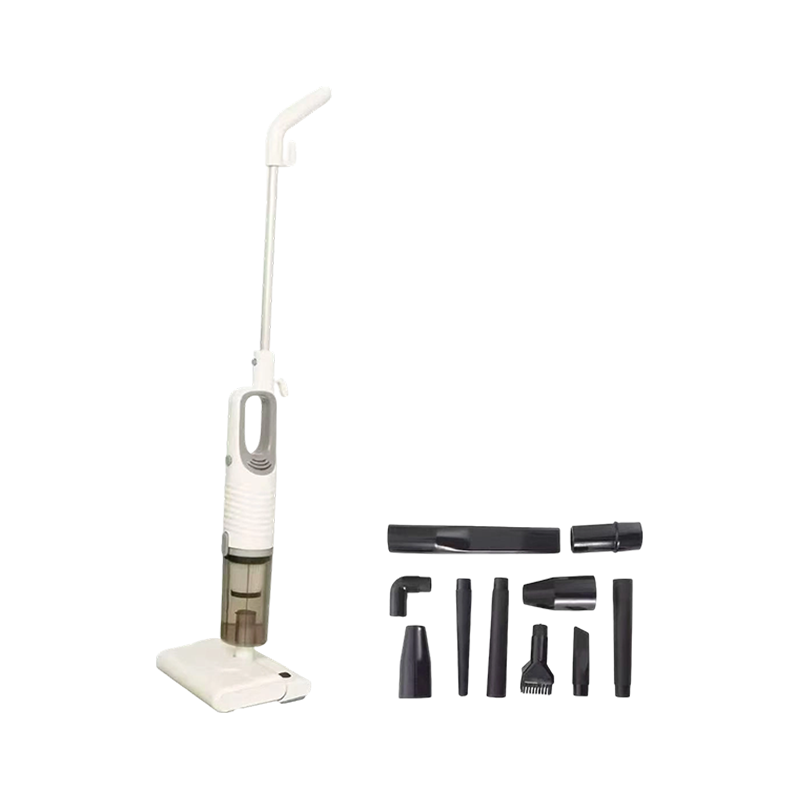
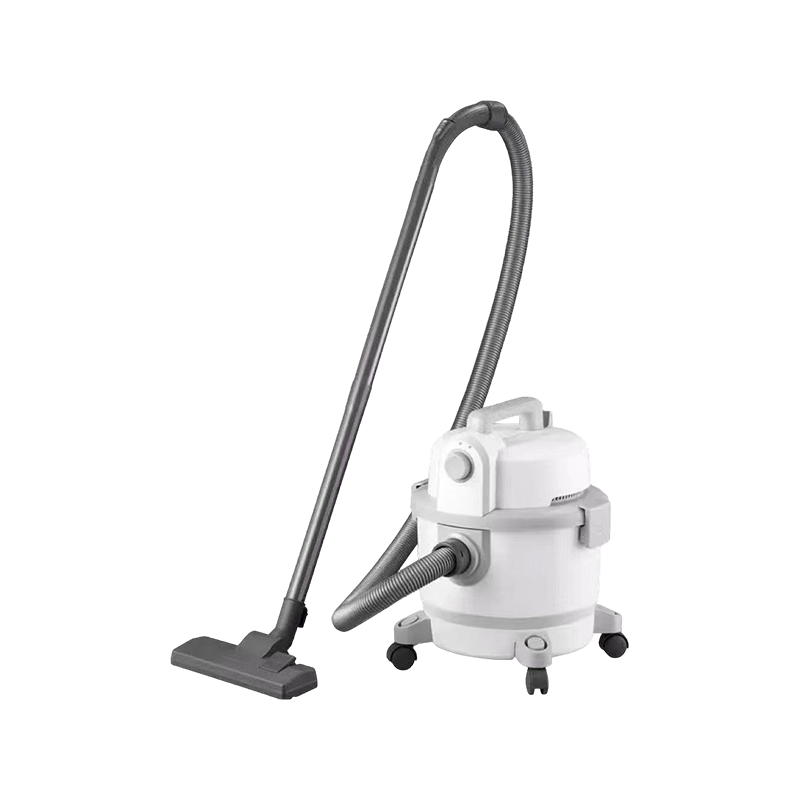
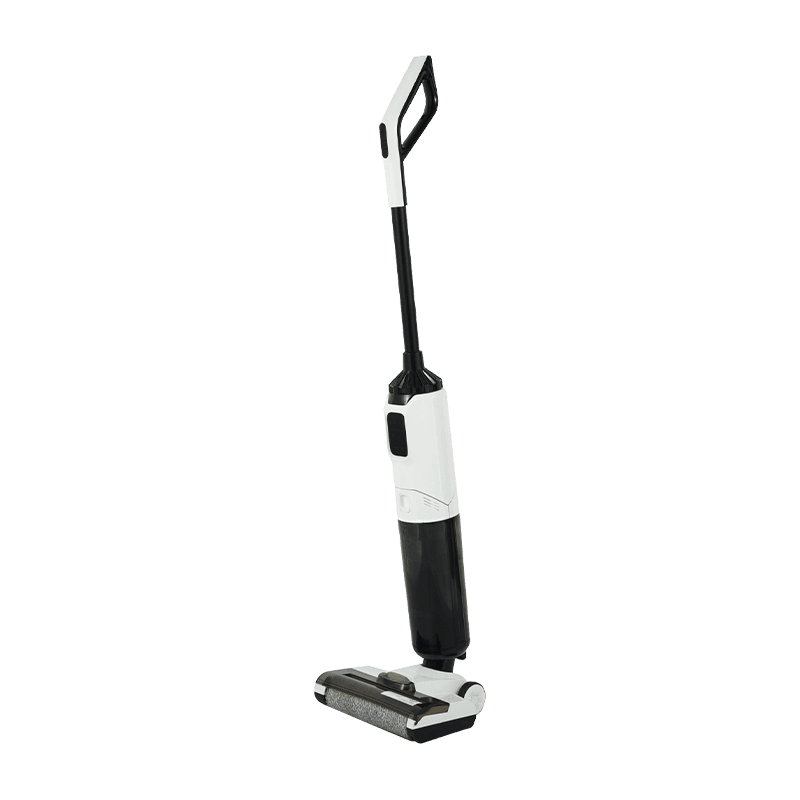
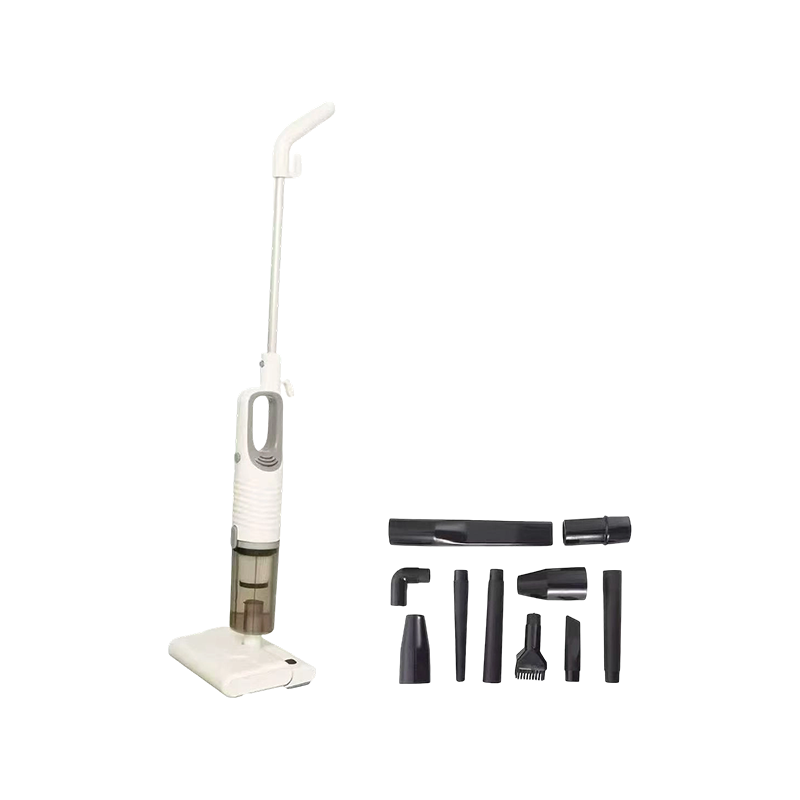
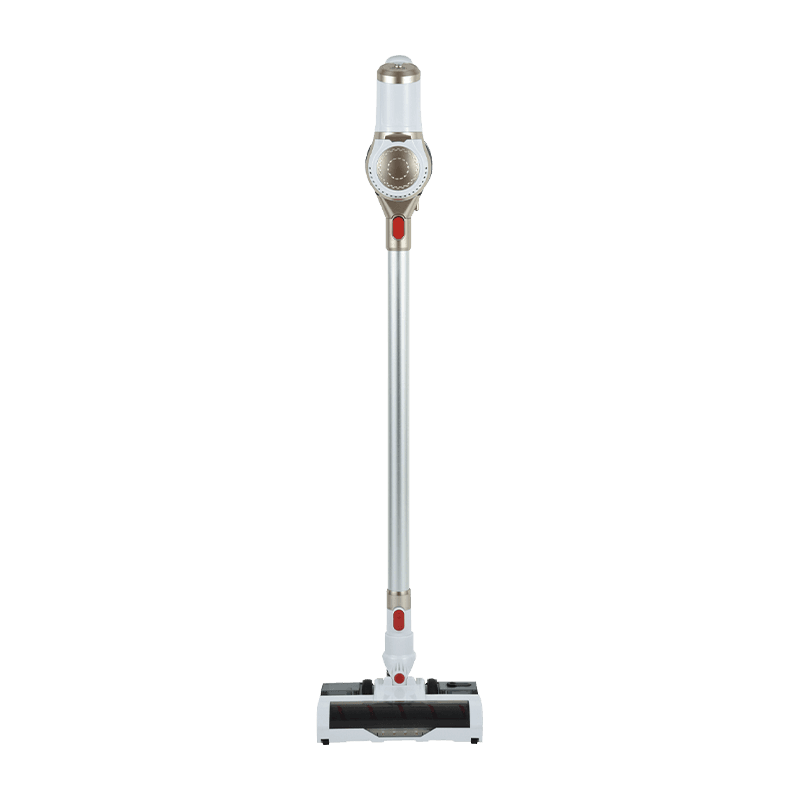
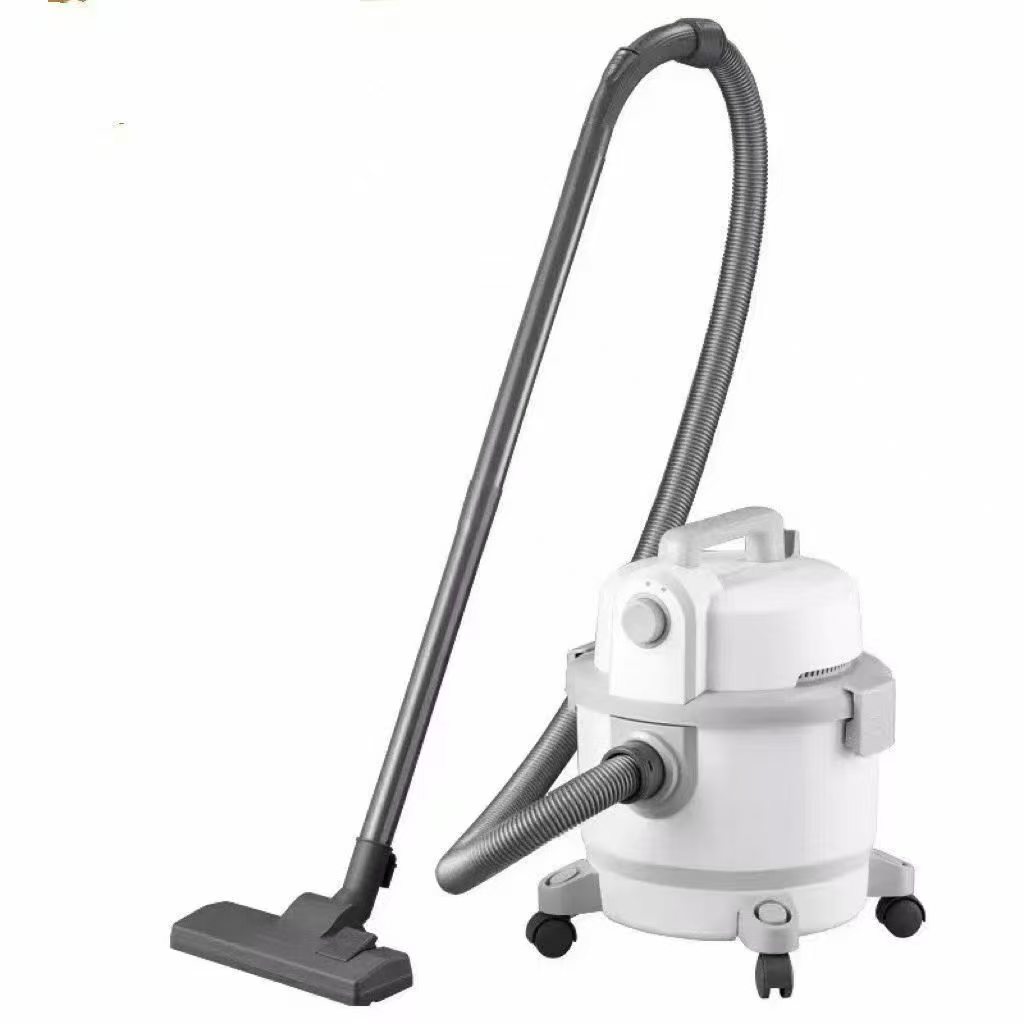
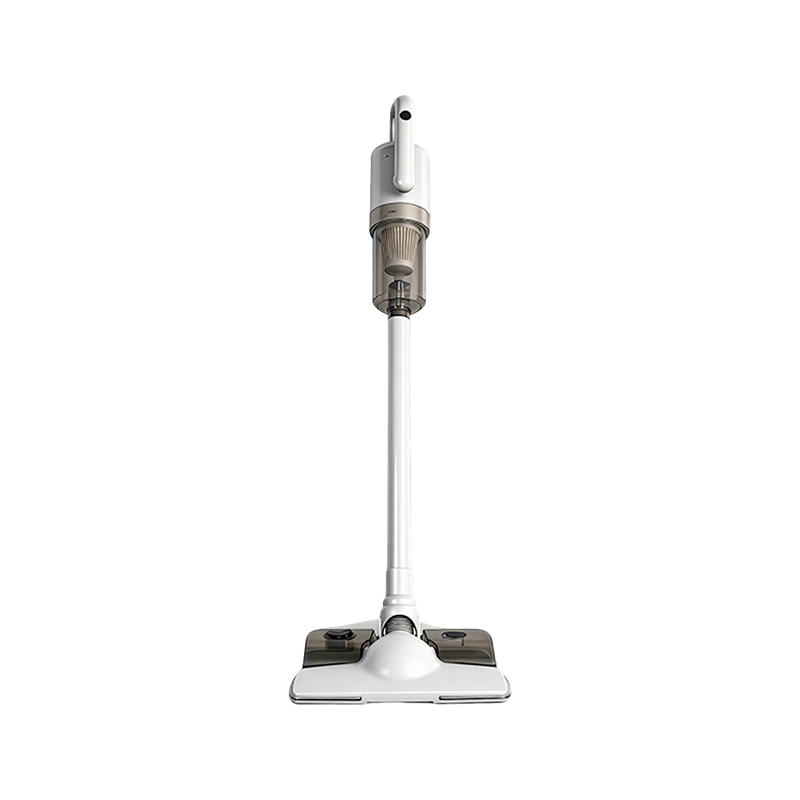
The handheld floor vacuum cleaner has become an essential tool for modern homes, providing convenience and efficiency in cleaning small messes and hard-to-reach areas. Understanding how it works can help users maximize its performance and choose the right model for their needs.
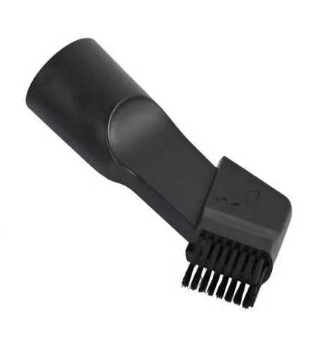
A typical handheld floor vacuum cleaner consists of several key components that work together to remove dirt and debris:
The core function of a handheld floor vacuum cleaner is its suction system. The motor drives a fan that reduces air pressure inside the dustbin. As a result, air rushes in through the nozzle, carrying dirt, dust, and debris with it. High-quality models often include cyclonic technology to separate dust particles efficiently, preventing clogging and maintaining consistent suction.
Most handheld floor vacuum cleaners come in two types:
Using a handheld floor vacuum cleaner offers several advantages:
While a handheld floor vacuum cleaner is perfect for small tasks and spot cleaning, it is not designed to replace a full-sized vacuum for deep cleaning large areas.
Filters should be checked after each use and cleaned or replaced according to the manufacturer's instructions to maintain optimal suction performance.
Most handheld floor vacuum cleaners work on a variety of surfaces, including hardwood, tile, carpet, and rugs, but performance may vary depending on the model and attachments.
The handheld floor vacuum cleaner is a compact, efficient, and versatile tool for everyday cleaning. Understanding its components, how suction works, and proper maintenance can ensure longer life and better performance, making home cleaning faster and more convenient.


Xinxing Road No.218 High-Tech Industrial Development Zone Cixi City, Zhejiang, China

+86 183 1291 7227+86 158 2424 1068










 English
 中文简体
中文简体